

Good Bones: Taking Inventory
We spend so much time focusing on what we've lost that we rarely stop to ask what survived. And once we find those pieces, another question quietly follows: Does this still belong? Episodes 6 and 7 explore the inventory we take after life's hardest seasons.

Healing Changed the Questions I Asked
Healing isn’t just about understanding your story. It’s about learning what is yours to carry and what isn’t. In this week’s Good Bones reflection, I explore the questions that transformed my understanding of grief, boundaries, and responsibility.
Before You Can Rebuild, You Have to Find Safety
Beneath all that life has asked us to carry are the parts of ourselves that remain unchanged: our humanity, our capacity to love, our wisdom, our resilience, and the values that continue to guide us.
Those are our good bones.
Rebuilding doesn't begin by having every answer. It begins by recognizing what is still standing.
If your life feels uncertain today, perhaps the invitation isn't to rush ahead into the future. Perhaps it is simply to become still long enough to notice what remains.
From there, one small step becomes possible.
Then another.
And before long, you realize you weren't building from nothing after all.
You were building from the good bones that had been there all along.
A Short Fuse
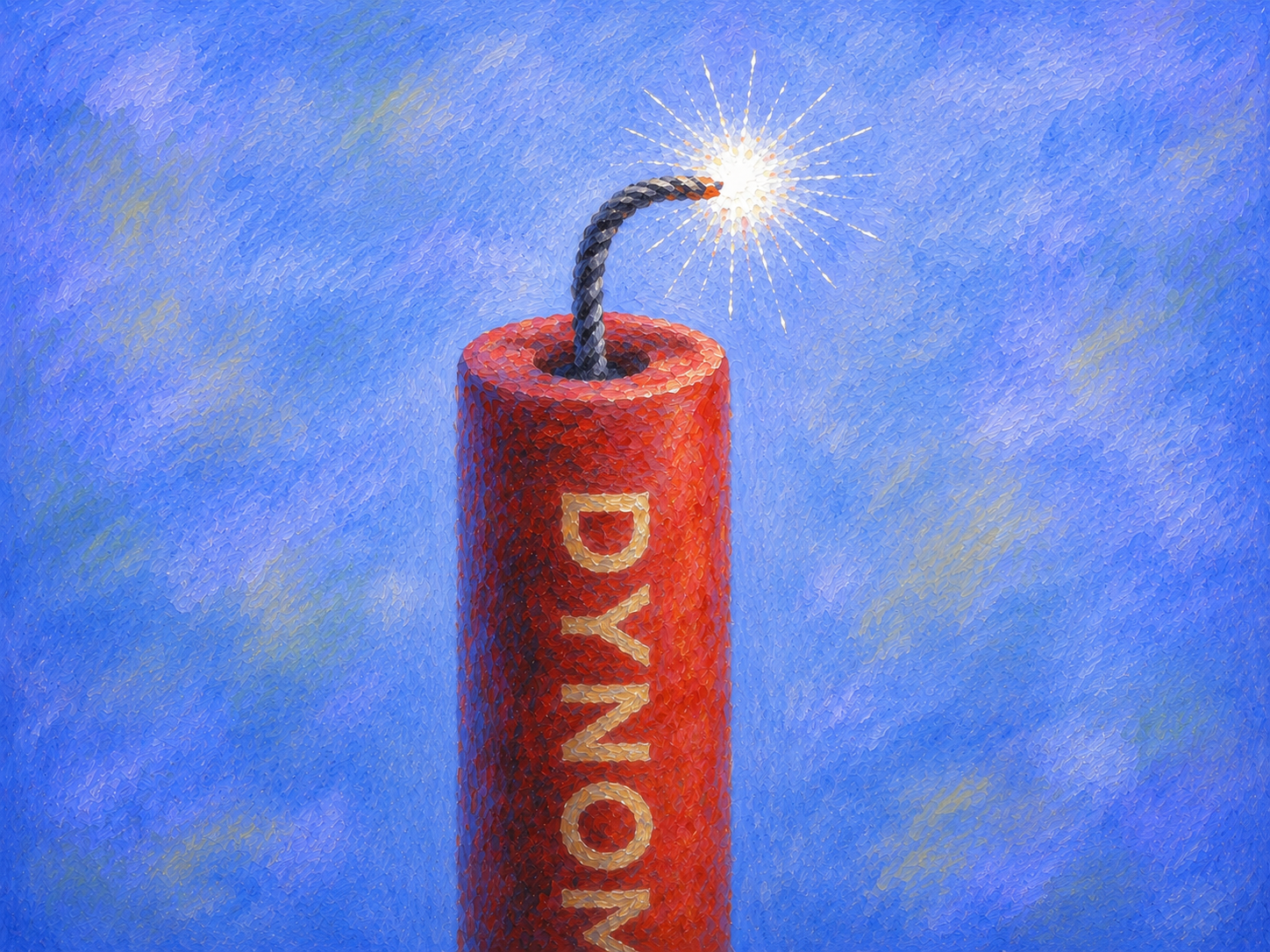
If you met Susie, one of the first things you might learn is that she is proud of her short fuse. She says it like a warning and a badge of honor. She does not let people push her around. She does not wait quietly when something is wrong. She speaks up, demands answers, and usually gets what she came for.
In some situations, that can look like a superpower. Susie gets the answer, the apology, the table moved, the bill corrected, the phone call returned, or the problem handled while everyone else is still deciding whether they should say something. But the same thing that gets Susie results also costs her.

When You’ve Been Everywhere Except Back to Yourself
Many women recognize some version of that feeling. Not because their lives have been empty, but because their lives have been so full. Full of responsibility, caregiving, work, marriage, children, family, schedules, emotional labor, and the daily task of keeping things moving. Then the children grow up. The house settles. The schedule changes. The noise that once organized the day becomes softer, and questions that were easy to outrun begin to rise.
Did I choose this life, or did I learn to survive inside it? Did I miss parts of myself while I was taking care of everyone else? What would it look like to finally meet myself without apologizing?
Often, when people talk about this season, the advice turns quickly toward reinvention. Take the trip. Buy the hat. Start the hobby. Make the list. There is nothing wrong with any of those things, but they are not the same as healing. This is not just about reinvention. It is about return. It is about remembering who you were before everyone else’s needs became the loudest thing in the room. It is about repairing the places where survival taught you to make yourself smaller. And it is about reconnecting with the woman who has been there all along.

Are They Really Your Friend?
A friendship based on character is the kind of relationship where you can call someone at three in the morning. She may be annoyed that you woke her, but she will still make time for you.
The same is true in return. She knows she can call you at a moment’s notice and trust that you will be there.
This bond is not held together only by convenience or entertainment. It is grounded in trust, honesty, respect, and genuine concern for one another. These friends are rare, and that is exactly why they are priceless.

The Problem With Making AI Your Therapist
There is another difference between bringing your pain to a therapist and bringing it to an AI tool. Therapy has a container. That container includes ethics, training, confidentiality, HIPAA privacy protections, legal responsibilities, professional standards, and clear boundaries around the relationship.
Confidentiality is not absolute. There are limits, including situations involving safety, abuse or neglect reporting, court orders, or other legally required disclosures. But those limits are part of a known professional and legal structure. A therapist is responsible for explaining those limits and protecting the client’s privacy within them.
AI does not offer that same therapeutic container. When you type the most private parts of your story into a digital tool, you are placing them inside a technology system. That system may have privacy protections, data controls, and security measures, but it is still not the same as sitting in a confidential therapy office with a licensed professional.

When Hot Girl Summer Becomes Honest
In popular culture, we hear about “Hot Girl Summer,” which encourages us to be free, independent, and carefree. But reality is a different story.
Being a grown-up sucks. We have bills, concerns, and elements outside of our control. Sometimes we are thrown into situations where all we can do is react, and the only vacation we have is a mixed drink on the patio in our Stanley cup as the bug zapper does its thing.

When One Hour Is Not Enough
For some women, the stop-and-start rhythm can become frustrating. The same wound appears near the end of session again and again. The same story gets close to the surface, then has to be tucked away. Over time, she may begin to feel like she is circling something important without having enough time to stay with it safely.

10 Songs That Name Hidden Struggles
Sometimes a song says what has not been easy to say out loud. Before there are words for shame, exhaustion, loneliness, numbness, or identity loss, a familiar lyric may give shape to the feeling. Music is not counseling, and it is not a substitute for sitting with someone trained to help. But a song can help you notice what has been sitting quietly under the surface. These ten songs each point to a different kind of inner struggle, and sometimes recognition is where honesty begins.

When Mom Becomes Consultant
n general, the early years often require more cop energy, the teen years often call for coaching, and the adult years invite more of a consultant role. But children do not grow on a perfect schedule.
These roles are not set in stone. They grow and shift as the child grows and shifts. Sometimes the cop season lasts longer. Sometimes the coach season begins earlier. Sometimes a mother has to move back and forth between roles depending on the child, the situation, and the level of responsibility the child is ready to carry.
That is not a reflection of failure. It is part of paying attention.

When Your Mind Needs a Cast
Your mind is part of your health. A more holistic view of care recognizes that the mind, body, and nervous system are deeply connected. Stress can affect sleep. Grief can change appetite. Anxiety can make breathing feel harder. Trauma can shape relationships. Depression can drain energy, memory, motivation, and connection.
That is why therapy is not a sign that something is wrong with you. It is a way of paying attention to what has been asking for care.
You do not have to wait until everything falls apart before you ask for support. Sometimes therapy begins when you realize you have been carrying more than your mind, body, and soul were meant to carry alone.

Is This a Trigger or a Button?
That distinction matters because the response may not be the same. A button may call for perspective, a boundary, or a direct conversation. A trigger may call for curiosity, regulation, and deeper healing. Sometimes the answer is both.

When Wisdom Becomes a Wound
Sometimes hindsight becomes self-blame. A wisdom wound happens when a woman uses what she knows now to hurt the version of herself who did not have that knowledge yet.

When Nice Women Get Snappy
That is why a simple interaction can feel bigger than it should. Being stopped can feel like being accused. Being questioned can feel like being blamed. Being watched can feel like being unsafe. The setting is current, but the emotion is older.
Sand Tray Therapy for Stuck Words
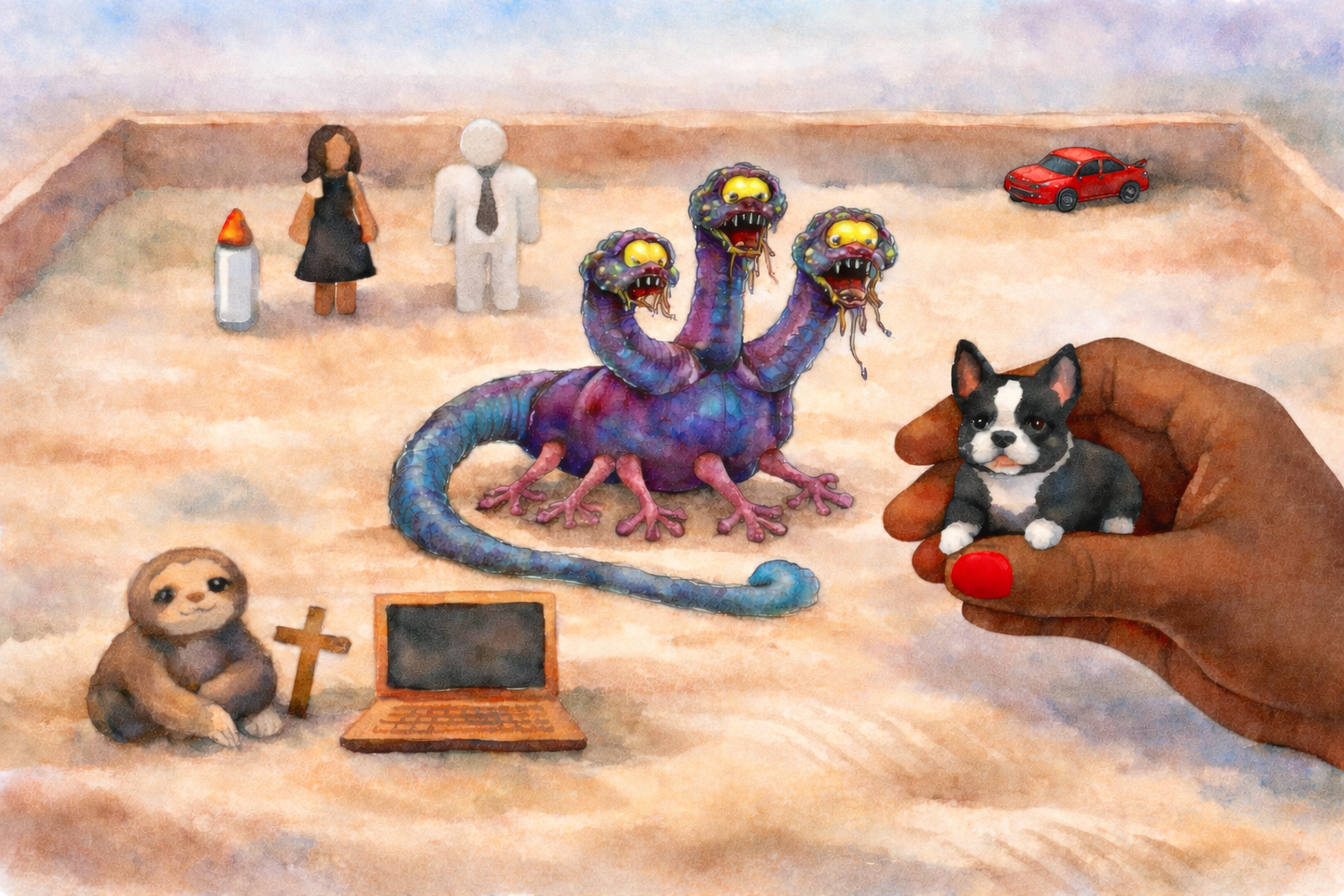
In those first moments, a story begins to unfold. Some clients find every prop and actor for their autobiography, while others may find only one artifact tied to a lost memory. Either way, what appears in the tray often says more than words ever could. This is the bittersweetness of truth. What rises to the surface is not always loud, but it is often revealing.
As the tray takes shape, the client begins to do more than notice objects. She begins to interact with the story they are telling…..
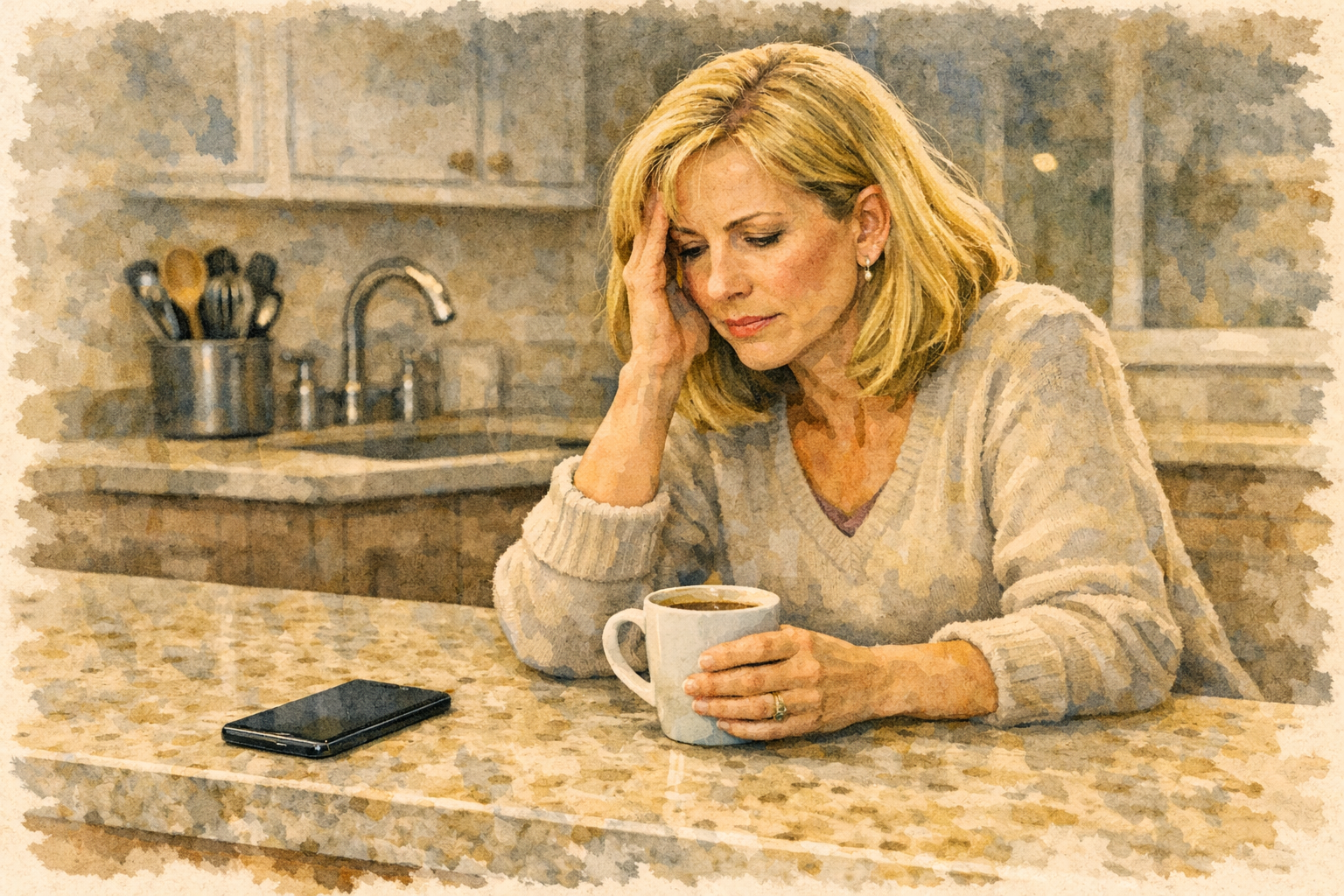
Why You Second-Guess Honesty
Advice like “think before you speak” can help with tone and clarity. But self-editing usually starts later, when a woman begins wondering whether honesty made her seem harsh, selfish, or hard to love.
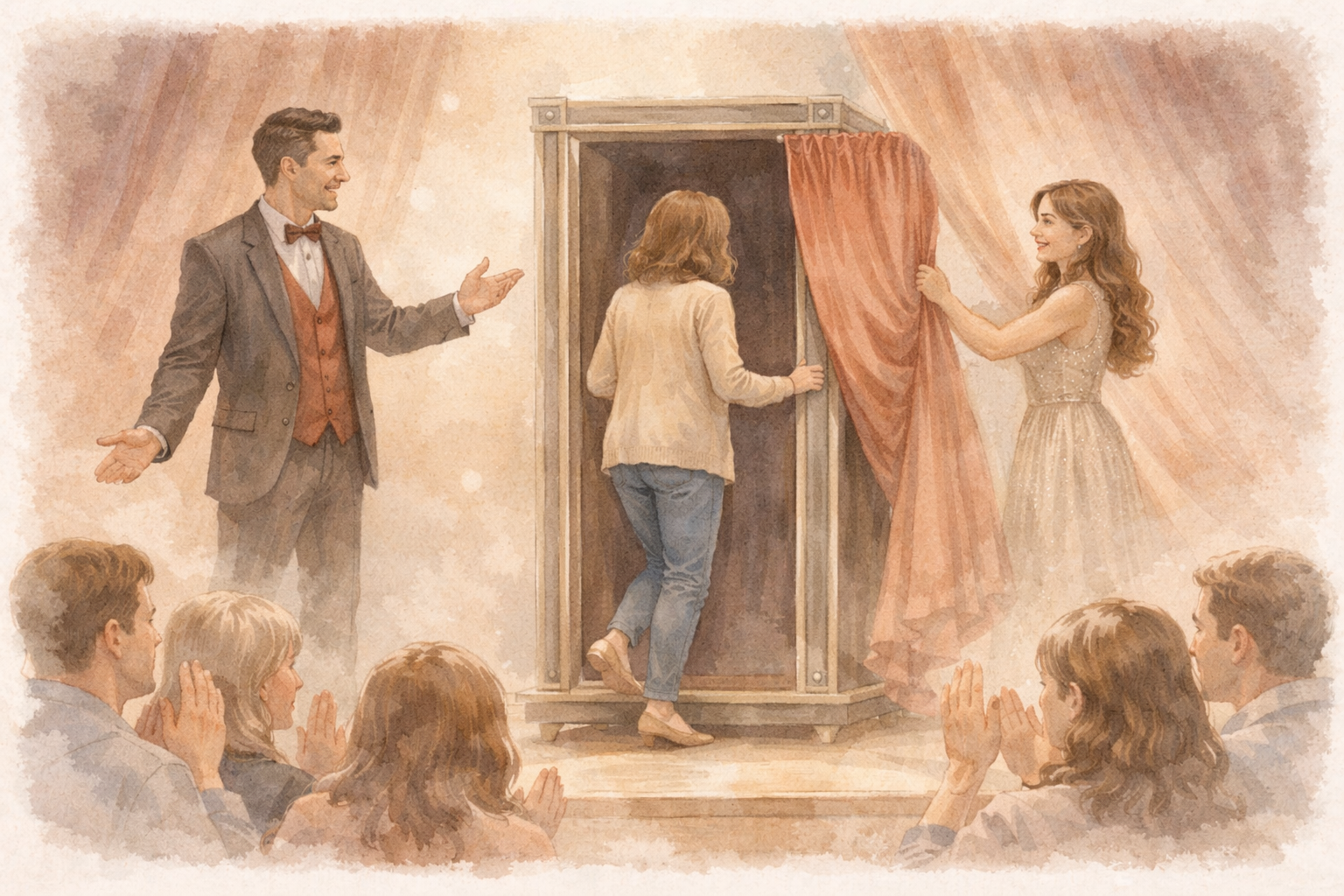
Why Strong Women Disappear
Many strong women do not fall apart all at once. They disappear slowly under the weight of caregiving, work, family needs, and the daily pressure of being the dependable one. This article explores the hidden cost of self-abandonment, especially for women in the sandwich generation, and why healing begins by coming back into view.
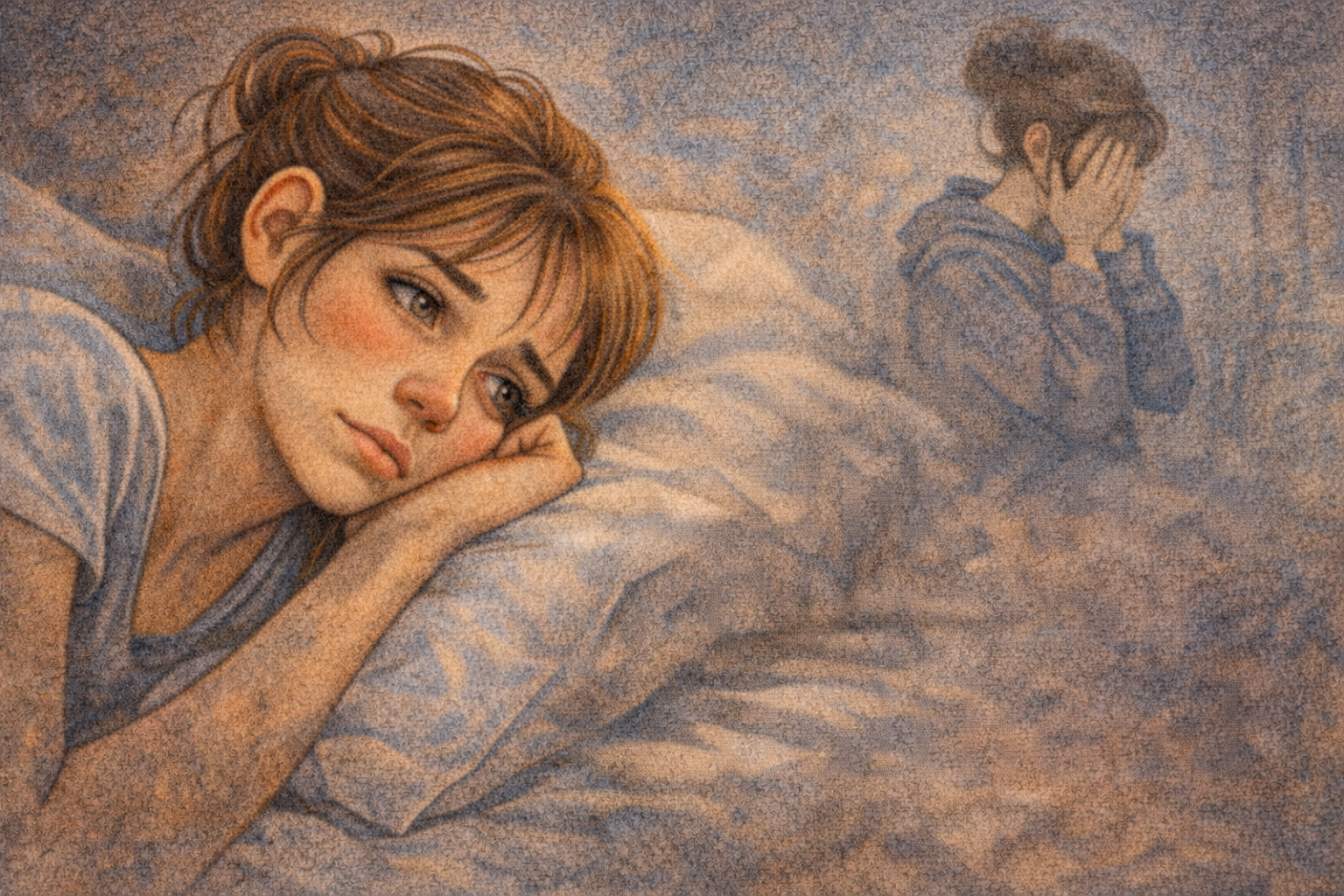
The Shame Little Girls Carry Into Adulthood
Shame is different from guilt. Guilt says, “I made a mistake.” Shame whispers something far heavier. “Something about me is the mistake.” Sometimes that whisper follows women for decades.

Disappointed In Yourself or For Yourself?
Learning to be disappointed for yourself instead of in yourself is one of the quiet ways we begin returning to our own side.