

Why Strong Women Disappear
At a magic show, the disappearing act looks effortless.
A woman steps into the box. The curtain moves. The audience gasps. A moment later, she is gone.
Everyone claps for the illusion.
But many strong women know what it feels like to live that trick in real life.
They do not disappear all at once. They disappear slowly under the weight of children, aging parents, work, volunteer responsibilities, and the daily pressure of being the dependable one.
This is especially common for women in the sandwich generation, the term used for adults who are simultaneously caring for children and aging parents while managing the rest of life’s responsibilities.
From the outside, it can look like strength. Inside, it can feel like disappearing.
That is one of the hidden costs of self-abandonment.
The Woman Everyone Depends On

She is the one who remembers everything.
She keeps track of medical appointments, school paperwork, work deadlines, grocery needs, prescription refills, family birthdays, transportation, household errands, and the emotional state of the people around her. She is often the first person others call when something goes wrong and the last to admit she is overwhelmed.
On the outside, she often looks like the kind of woman who has it together.
But that image can hide something deeper.
Many women learn early in life that being needed feels safer than having needs of their own. So they become the helper, the planner, the peacekeeper, and the person who keeps moving no matter how tired, discouraged, or emotionally drained they feel. Over time, that role can become so normal that almost no one notices what it is costing them.
Sometimes she does not notice either.
Disappearing Is Rarely Dramatic
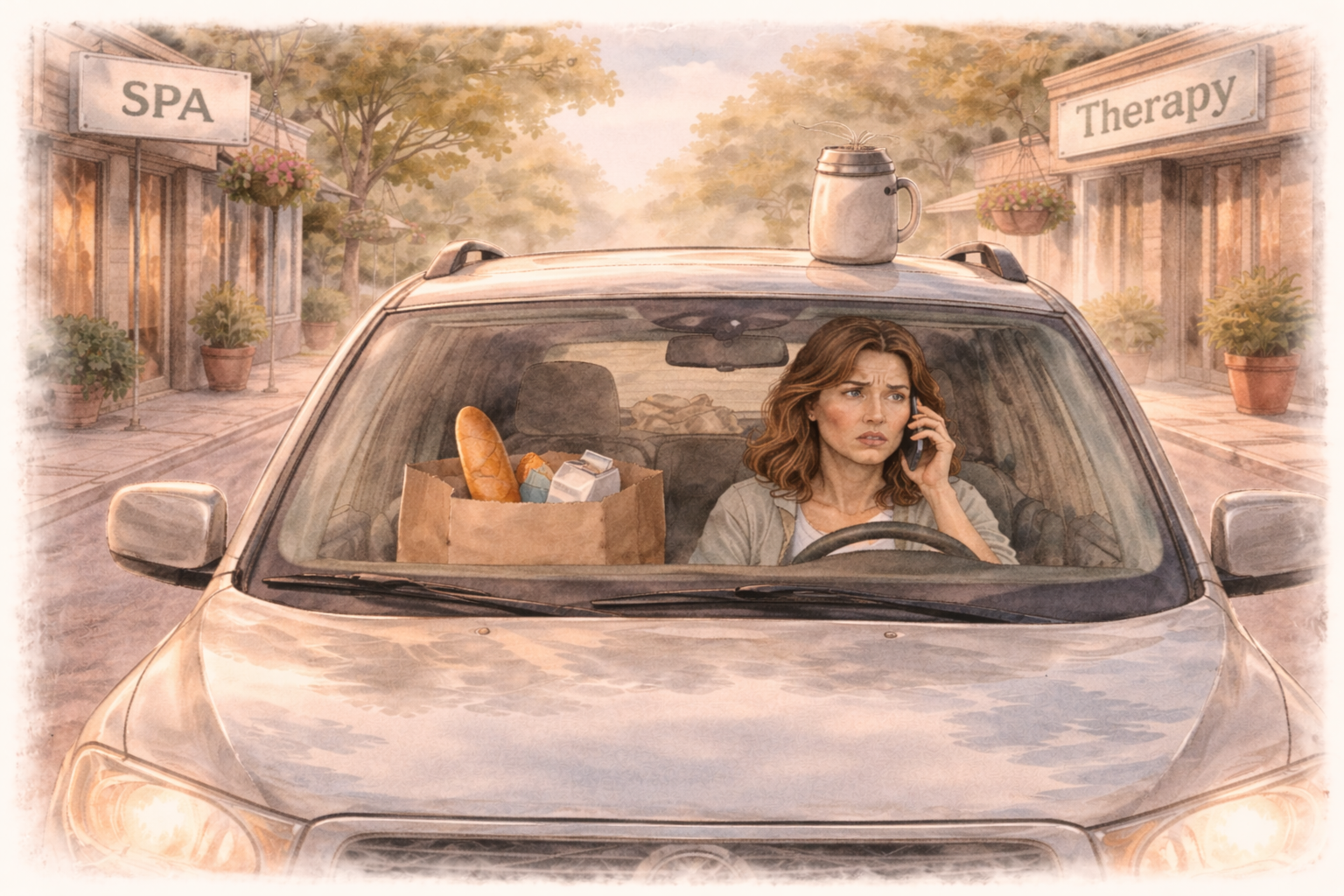
For many women, self-abandonment does not happen in one devastating moment. It happens in small, repeated decisions that barely seem important at the time.
It happens when she says yes because saying no feels too complicated. It happens when she brushes past her own exhaustion and tells herself she will rest later. It happens when she swallows disappointment, pushes down resentment, and keeps meeting everyone else’s needs before she stops long enough to ask what is happening inside her.
That is part of what makes self-abandonment so easy to miss.
A woman can still look productive, responsible, and emotionally steady while becoming increasingly disconnected from herself. By the time she notices the loss, she may not have words for it.
She only knows that somewhere along the way, she stopped feeling like a full person and started feeling like a role.
Sawed in Half by Responsibility
Responsibility can divide a woman long before it breaks her.
One side of her stays focused on what has to get done. She works, solves problems, keeps up with schedules, and makes sure the people around her are cared for. That side becomes efficient, dependable, and very hard to interrupt.
The other side often gets pushed further and further back.
It is the side that feels sadness, frustration, desire, grief, tenderness, and exhaustion. It is the side that wants rest without guilt, honesty without fallout, and care without having to earn it first.
Over time, those two sides can start to feel far apart from each other. A woman may still be managing life well, but she no longer feels fully present inside it. She is functioning, but she is not fully connected to herself.
That inner split can be hard to name because it does not always look like failure. It can look like productivity. It can look like maturity. It can even look like love.
But when responsibility keeps forcing one part of a woman to perform while the rest of her goes ignored, the cost is real.
She does not just get tired. She begins to lose access to her own inner life.
Why Strong Women Do Not Notice Right Away
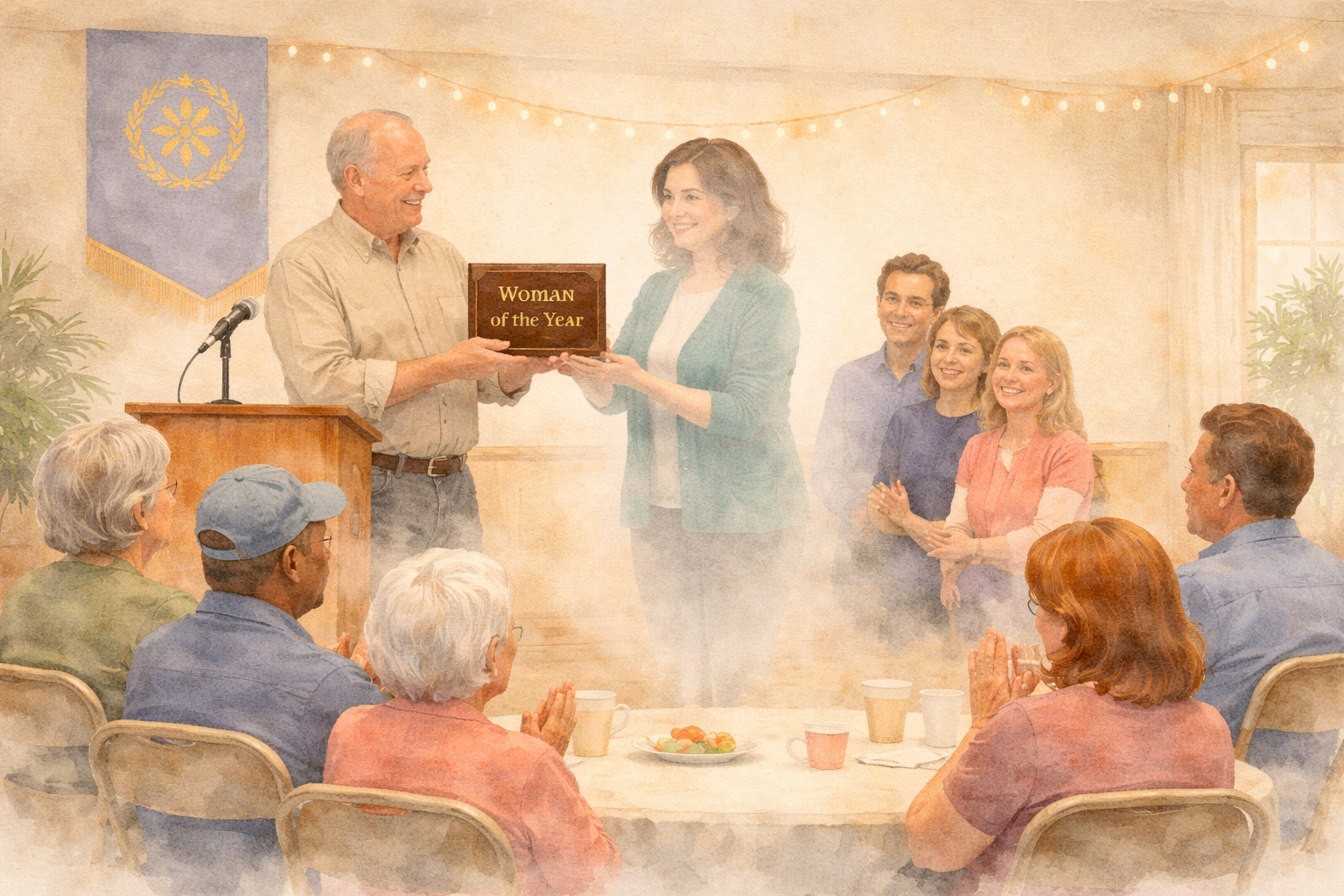
Many strong women do not notice the pattern right away because it is often rewarded long before it is questioned.
People praise them for being dependable. They are thanked for helping, trusted with more, and quietly expected to keep carrying what others cannot or will not carry. Over time, that praise can make self-abandonment look like character instead of cost.
For some women, the pattern also feels familiar. Being useful may have long felt safer than being honest about their own needs. Taking care of others may feel more natural than asking for care. By the time the strain becomes obvious, the habit has often been in place for years.
That is why self-abandonment can hide inside strengths that look admirable from the outside.
A capable woman can look fine long after she has become deeply tired.
A selfless woman can look loving while resentment quietly builds underneath.
A responsible woman can stay so busy that she never gets to feel her grief.
A calm woman may not feel peaceful at all. She may feel far away from herself.
Often, a woman does not recognize what is happening until her body, emotions, or relationships begin revealing what she has been carrying for too long.
The Cost of Staying Missing
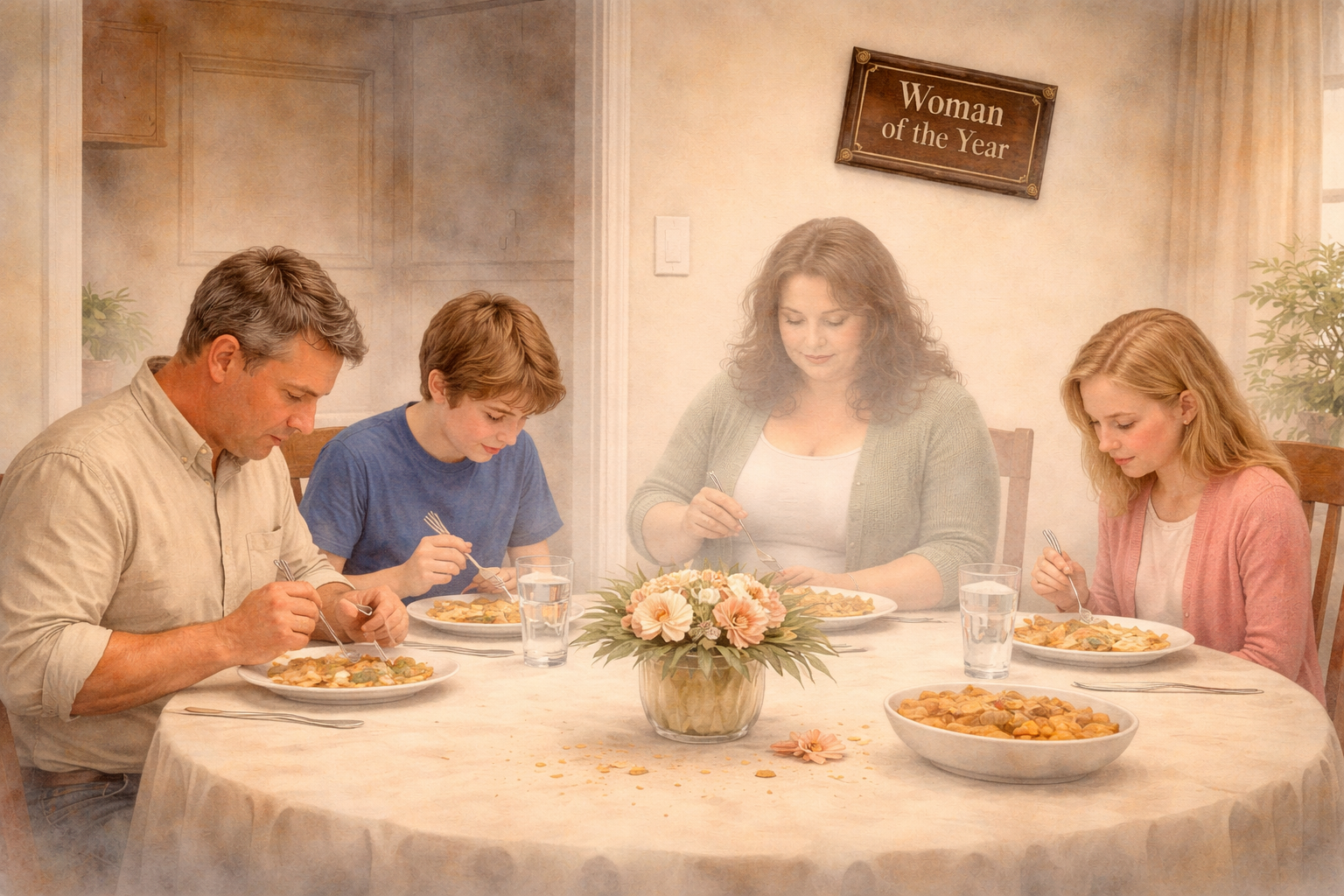
Self-abandonment does not stay contained.
A woman may think she is keeping everything together by pushing through, staying quiet, and putting herself last. Over time, though, the cost often spreads into every part of life.
It can strain a marriage when she no longer has the energy, honesty, or emotional presence to stay connected. It can affect her relationship with her children when exhaustion turns into irritability, numbness, or distance. It can shape the tone of a home when one person is carrying too much for too long and no longer has room to be fully human inside her own life.
It can also damage her relationship with herself.
She may stop knowing what she wants. She may feel guilty for resting, uneasy when someone tries to care for her, or unsure who she is when she is not helping, solving, or holding everything together. What began as strength can slowly become resentment, burnout, and grief.
That is the danger of living without boundaries or care.
A woman may believe she is protecting her family, her work, and her responsibilities by ignoring her own needs. In reality, she may be draining the very parts of herself that make connection, tenderness, patience, and joy possible.
If nothing changes, the losses can become painfully real. Not always all at once. Not always in dramatic ways.
But in marriages that grow distant. In relationships with children that feel tense or brittle. In a body that starts to break down. In a life that still looks full from the outside but feels increasingly empty from within.
That is the cost of staying missing for too long.
Coming Back Into View
The answer to self-abandonment is not becoming less caring. It is becoming honest about what it has cost to live this way for so long.
For many women, that honesty can feel uncomfortable at first. It may mean admitting they are more tired than they realized, more resentful than they wanted to be, or more disconnected than they have had room to say out loud. It may mean noticing that the life they have worked so hard to hold together has required them to disappear inside it.
But seeing that clearly is not failure.
It is the beginning of repair.
A woman does not come back to herself all at once. She usually comes back in small, steady ways. By telling the truth. By noticing what drains her. By allowing rest without apology. By setting boundaries that protect her time, energy, and emotional life. By learning that care is not something she must earn through exhaustion.
This is often where healing begins.
Not in becoming a different person, but in becoming more fully present to the person she already is.
You are not gone. You have simply spent too long inside the disappearing act.
If you feel like you have disappeared inside your own life, therapy can help you step out of survival mode and back into view. Schedule a consultation.