

Why You Second-Guess Honesty
The phone call is over.
Her adult daughter needed help again. Money this time. Maybe rent. Maybe a bill. Maybe one more gap Mom knew she could cover if she stepped in fast enough. She listened. She cared. And somewhere in the middle of that call, something in her finally said what had been building for a while.
I love you, but I can’t keep being the plan every time something falls apart.
Now the house is quiet. She is standing at the counter replaying the whole thing.
Not because she does not care.
Because now she is wondering whether honesty sounded like rejection.
What makes moments like this so hard is not just the conversation itself. It is what happens afterward. A woman can say something true, necessary, and even loving, then spend the next hour wondering if she was too harsh for saying it at all.
For many women, the question is not just, “Did I say the right thing?” It is, “Why do I second-guess myself after I’m honest?”
What Self-Editing Really Is
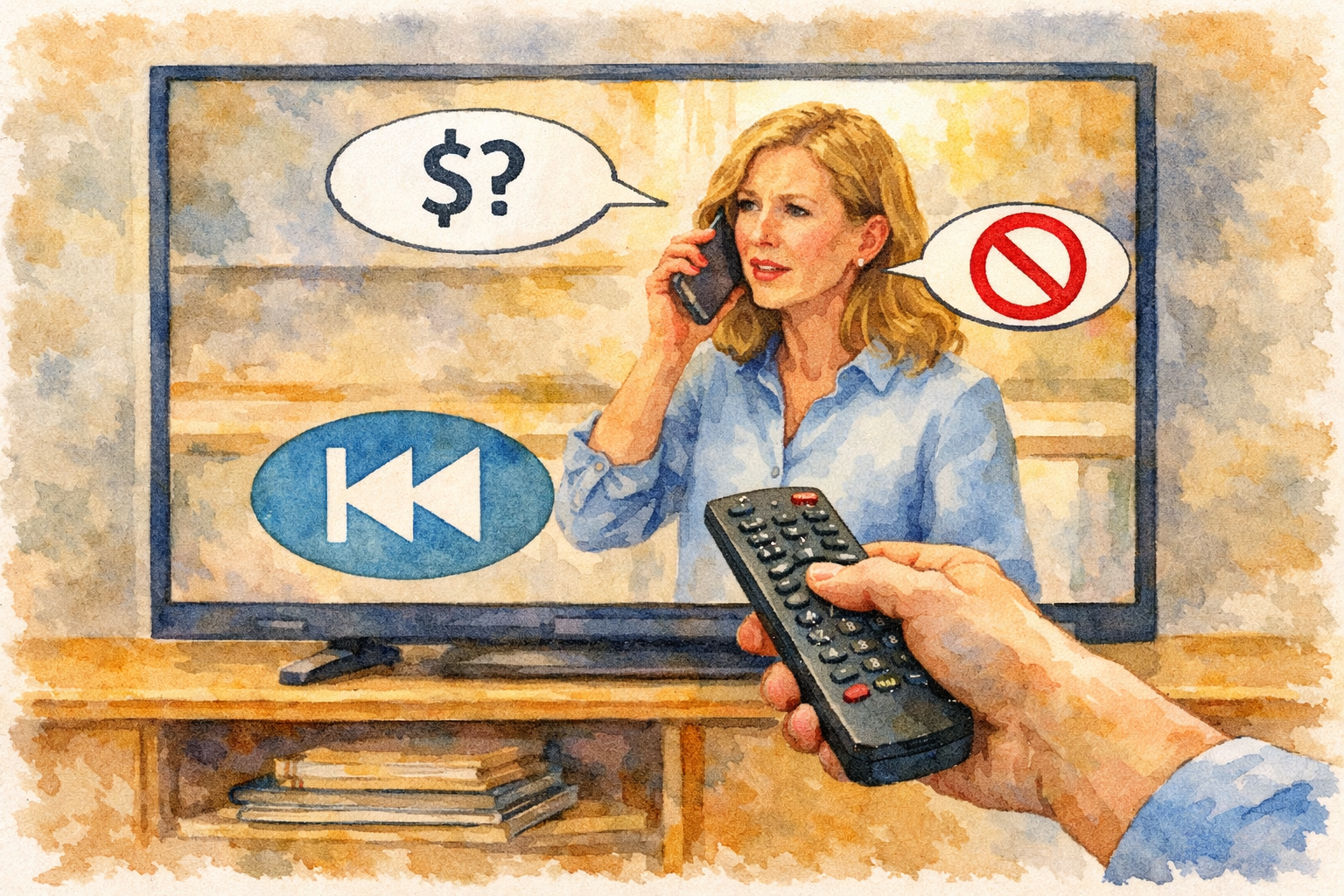
Self-editing is what happens when a woman tells the truth, then immediately starts revising herself in her own mind.
She replays her tone. She questions her wording. She wonders if she was too harsh, too emotional, or too blunt. On the surface, it can look like maturity or self-awareness. But often it is fear.
It is the habit of trimming yourself down after a real moment, just in case honesty costs you connection.
That is why the call is over, but her mind is still arguing with itself in the kitchen.
Where This Pattern Comes From
This pattern usually did not start with that daughter, that phone call, or that kitchen.
It starts in smaller moments that pile up over time. A woman says something true and someone pulls away. She names a need and someone gets quiet. She draws a line and someone acts hurt. After enough of that, the lesson starts to settle in.
If I am fully honest, I may lose closeness.
So she adapts.
She does not always become silent. Sometimes she becomes careful. Softer. More measured. More edited.
That can look wise from the outside. But inside, it can leave her constantly second-guessing the moments when she finally says what she really means.
Advice like “think before you speak” can help with tone and clarity. But self-editing usually starts later, when a woman begins wondering whether honesty made her seem harsh, selfish, or hard to love.
How to Review a Conversation Without Turning Against Yourself

After a hard conversation, it is easy to skip straight to the verdict.
I shouldn’t have said that.
But that is not a fair review. That is a sentence.
Before you try to fix anything, slow the moment down on your own. Feeling uncomfortable after a hard conversation does not automatically mean you did something wrong. Take a minute to separate what actually happened from what you’re assuming about it. If you still need help sorting it out, writing in a journal or talking with a steady spouse or trusted person can help you see it more clearly. Just make sure the goal is clarity, not comfort. You are not trying to replay the conversation until you feel better. You are trying to understand what is true.
A more honest way to look at it is to ask a few better questions.
What actually happened?
What was I trying to do?
Was I respectful, clear, and honest?
That matters. Because feeling uncomfortable after a conversation does not automatically mean you did something wrong. Sometimes it means the moment mattered. Sometimes it means the truth landed hard. Sometimes it means you are used to carrying everyone else’s comfort and feel guilty the minute you stop.
And there is one more question that helps cut through a lot of the fog:
Do I need to follow up, or am I done?
If something needs repair, be honest about your part and clear about what you meant. If it doesn’t, the conversation may not need more fixing. It may need to be released.
The Hope in Seeing It Clearly
The hope is not that you will never replay a hard conversation again.
The hope is that you will start to recognize what is happening when you do.
You may begin to see that the voice telling you to shrink, soften, or second-guess yourself is not always telling the truth. It may just be an old pattern trying to protect you the only way it knows how.
And once you can see that, something begins to change.
You do not have to keep editing yourself to stay connected. You do not have to treat every honest moment like a mistake. You can learn to tell the truth without turning against yourself afterward.
That kind of change is usually quiet at first. It may sound like pausing before the spiral takes over. It may look like asking better questions after a hard conversation. It may feel like realizing that discomfort does not automatically mean you did something wrong.
But over time, that quiet shift becomes something stronger.
You begin to trust yourself again.
If you are tired of standing in the kitchen after a hard conversation, replaying your words like evidence against yourself, therapy can help you understand that pattern and begin changing your relationship with it.
Schedule a consultation.