

Disappointed In Yourself or For Yourself?
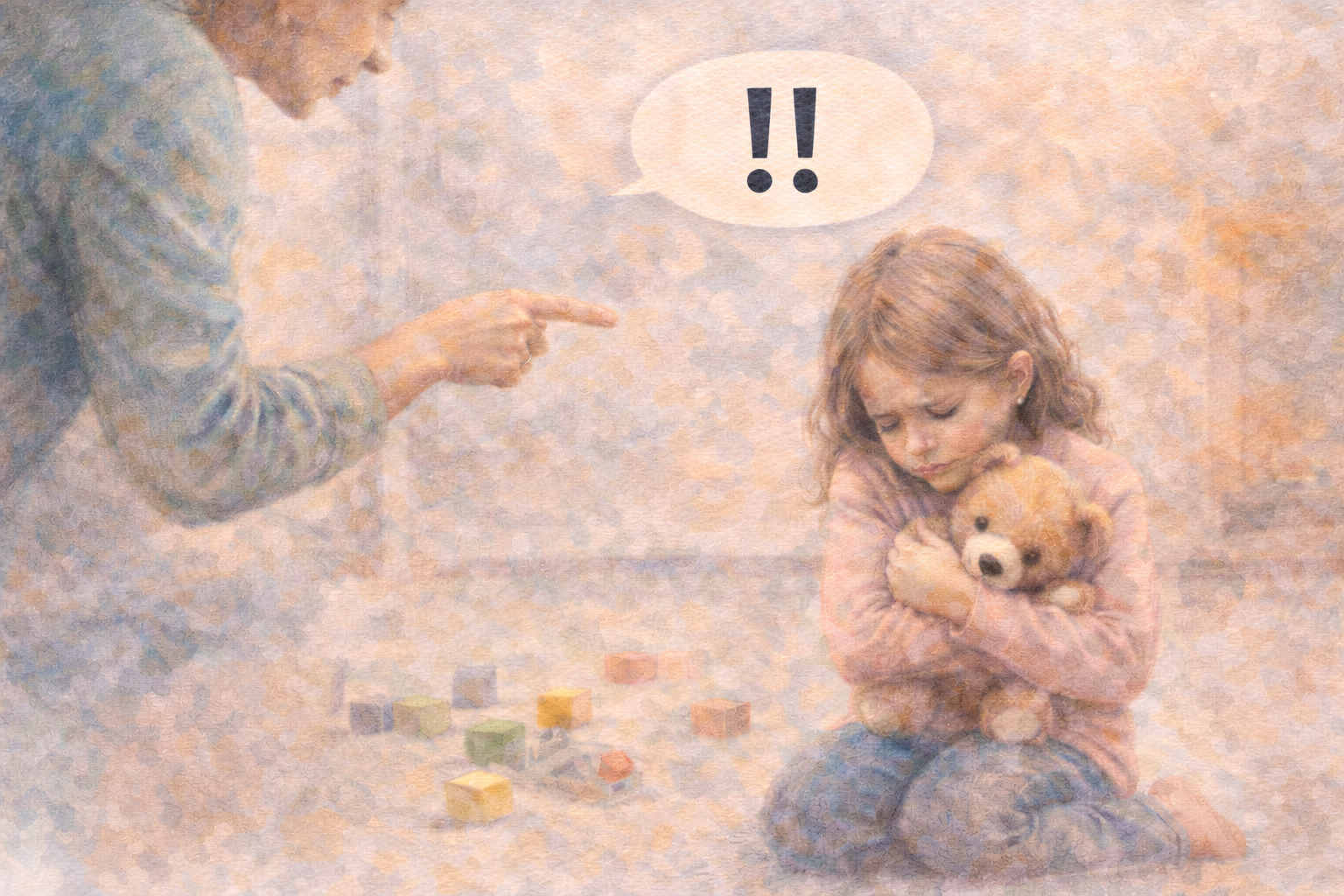
Most of us learned to fear disappointment long before we understood what the word meant.
We heard it in a parent’s voice.
“I’m disappointed in you.”
To an adult, that sentence may sound like feedback.
To a child, it often sounds like rejection.
Children do not hear nuance. They hear belonging or loss of belonging.
So when a child hears disappointment, the nervous system begins translating the message in a very specific way.
If I disappoint people, I may lose connection.
If I disappoint people, I may lose love.
If I disappoint people, something must be wrong with me.
From that moment on, many of us begin organizing our lives around avoiding disappointment.
We become careful.
We become responsible.
We become impressive.
We become the one who does not mess up.
From the outside, it can look like success.
But inside, there is often a quiet pressure that never leaves.
Do not disappoint them.
What many people do not realize is that this fear slowly disconnects us from a very normal human experience.
Disappointment.
Plans fall apart.
People make choices we do not understand.
We take risks that do not work out.
We hope for things that never happen.
Disappointment is not failure.
It is information.
But when we grow up believing disappointment threatens our worth, the experience becomes something we must avoid at all costs.
And when disappointment finally arrives, which it always does, the mind often turns it inward.
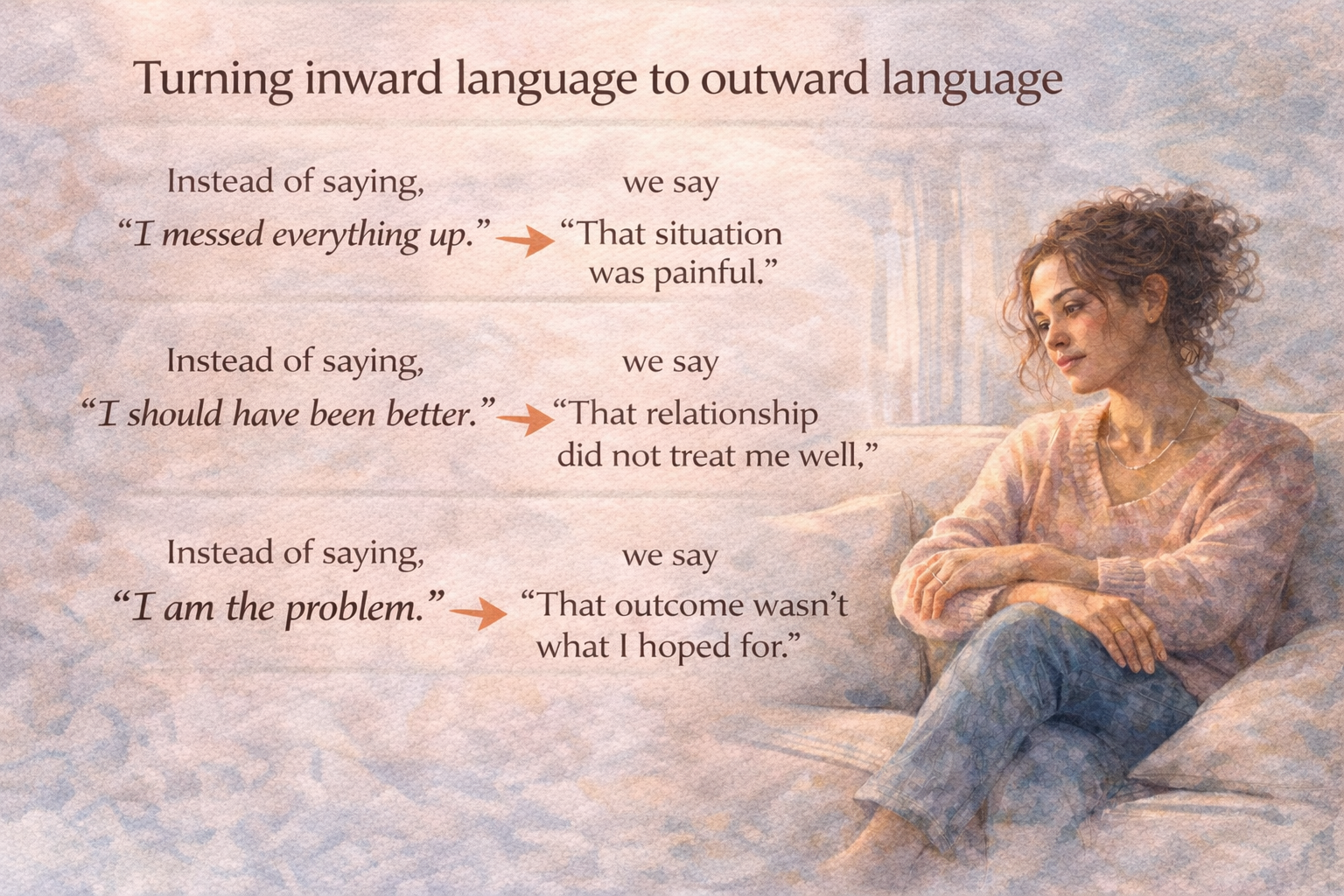
Instead of saying, “That situation was painful,” we say, “I messed everything up.”
Instead of saying, “That relationship did not treat me well,” we say, “I should have been better.”
Instead of saying, “That outcome was not what I hoped for,” we say, “I am the problem.”
This is where the difference begins.
Being disappointed in yourself is soaked in shame.
It sounds like criticism.
It sounds like punishment.
It sounds like you are the mistake.
But being disappointed for yourself is something very different.
It carries compassion.
It says, “That hurt.”
It says, “That mattered to me.”
It says, “I wish things had gone differently.”
There is grief in that kind of disappointment.
But there is also dignity.
You are not attacking your worth.
You are honoring your experience.

Disappointment, when held with compassion, becomes a teacher instead of a judge.
It can show us where our hopes lived.
It can show us where our expectations were placed.
It can show us where boundaries may have been needed.
Most importantly, it allows us to remain on our own side.
Many people were never taught how to do that.
They were taught to measure themselves by how little they disappointed others.
But a healthy life will include moments where you disappoint people.
You will say no.
You will change directions.
You will choose yourself.
And sometimes things simply will not work out the way you hoped.
None of that makes you unworthy.
It makes you human.
Disappointment is not the enemy.
Shame is.
When disappointment arrives, the question is not:
“What is wrong with me?”
The question is:
“Can I stay compassionate toward myself while I feel this?”
Learning to be disappointed for yourself instead of in yourself is one of the quiet ways we begin returning to our own side.
And that return matters.
Because the goal of healing is not to live without disappointment.
The goal is to live without abandoning yourself when disappointment happens.
A Gentle Invitation
If you are a woman navigating disappointment, relationship pain, or the pressure to constantly be “the strong one,” you do not have to sort through it alone.
In my counseling practice in Fort Smith, Arkansas, I work with women who want to understand their nervous system, reconnect with their voice, and build a life that feels grounded instead of overwhelming.
If this resonates with you, therapy may be a helpful next step.