

The Shame Little Girls Carry Into Adulthood
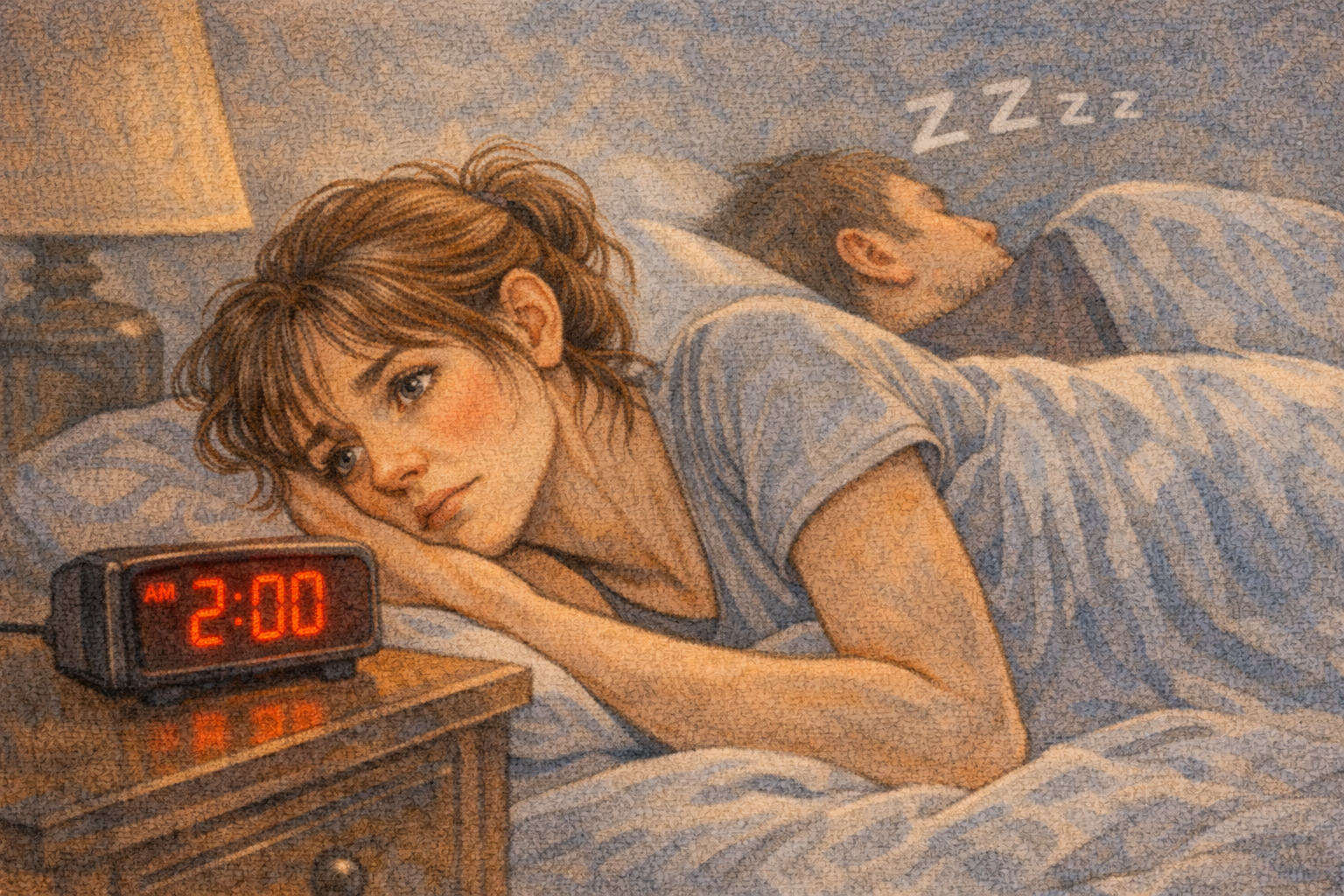
It’s two o’clock in the morning.
You’re lying in bed when a memory hits you hard.
Something you said.
Something you did.
Maybe something you didn’t do.
You lie there replaying it, wishing you could go back and handle the moment differently.
Your stomach tightens.
The strange part is how old the memory is.
This moment happened when you were a little girl.
Maybe it was something a teacher said.
Maybe something said at the dinner table.
Maybe something that happened in front of other people.
But in the quiet darkness of night, the memory feels as clear as if it happened yesterday.
Your face warms.
Your chest sinks.
You feel embarrassed.
That feeling has a name. Shame.
Shame is different from guilt.
Guilt says, “I made a mistake.”
Shame whispers something far heavier.
“Something about me is the mistake.”
Sometimes that whisper follows women for decades.
Five Childhood Moments That Often Plant Shame
Shame rarely appears out of nowhere. Many women who struggle with shame in adulthood can trace it back to moments that happened when they were young.
At the time these moments may seem small to the adults around them.
But to a little girl trying to understand the world, they can shape how she sees herself for years.
1. Being Corrected in Front of Others
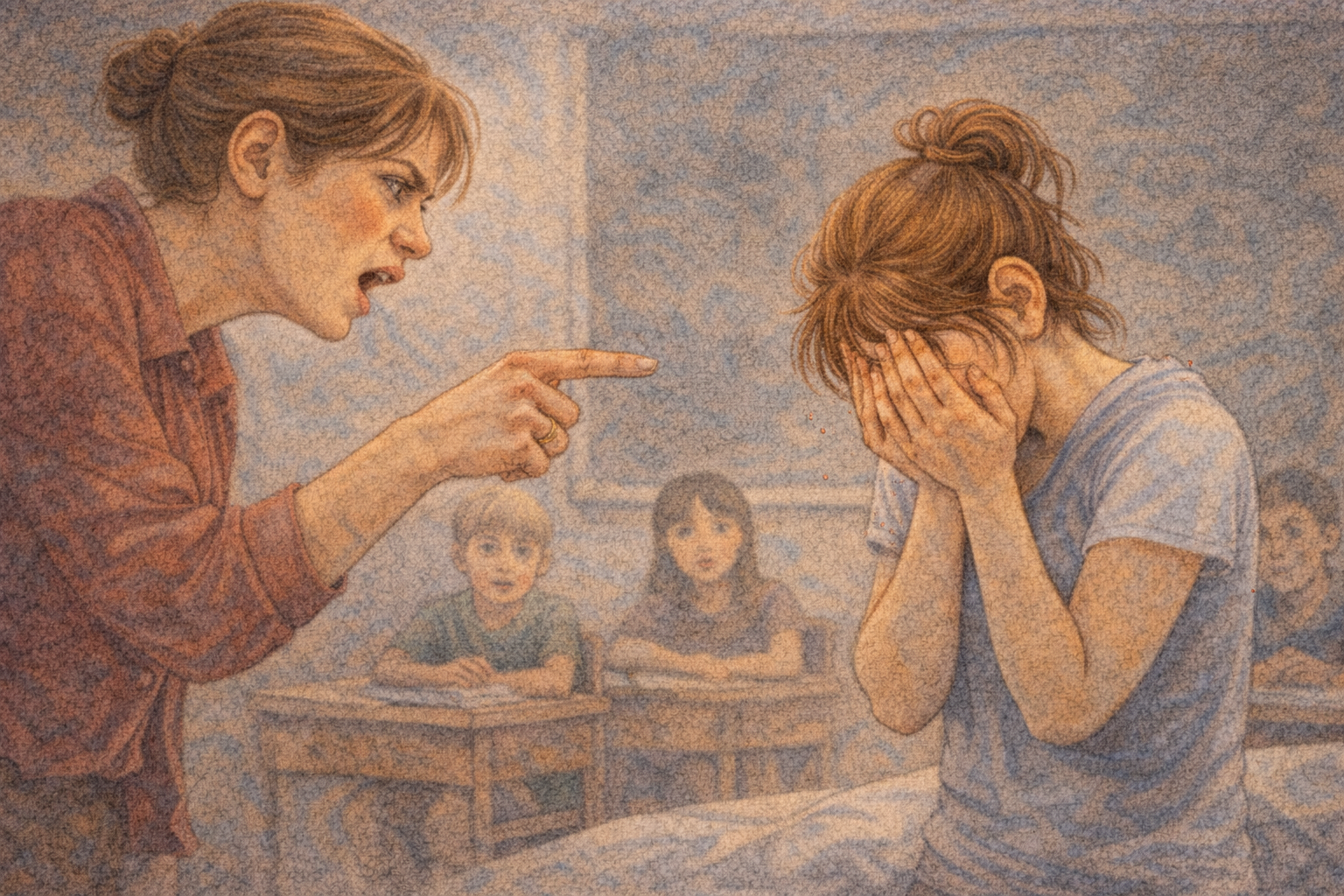
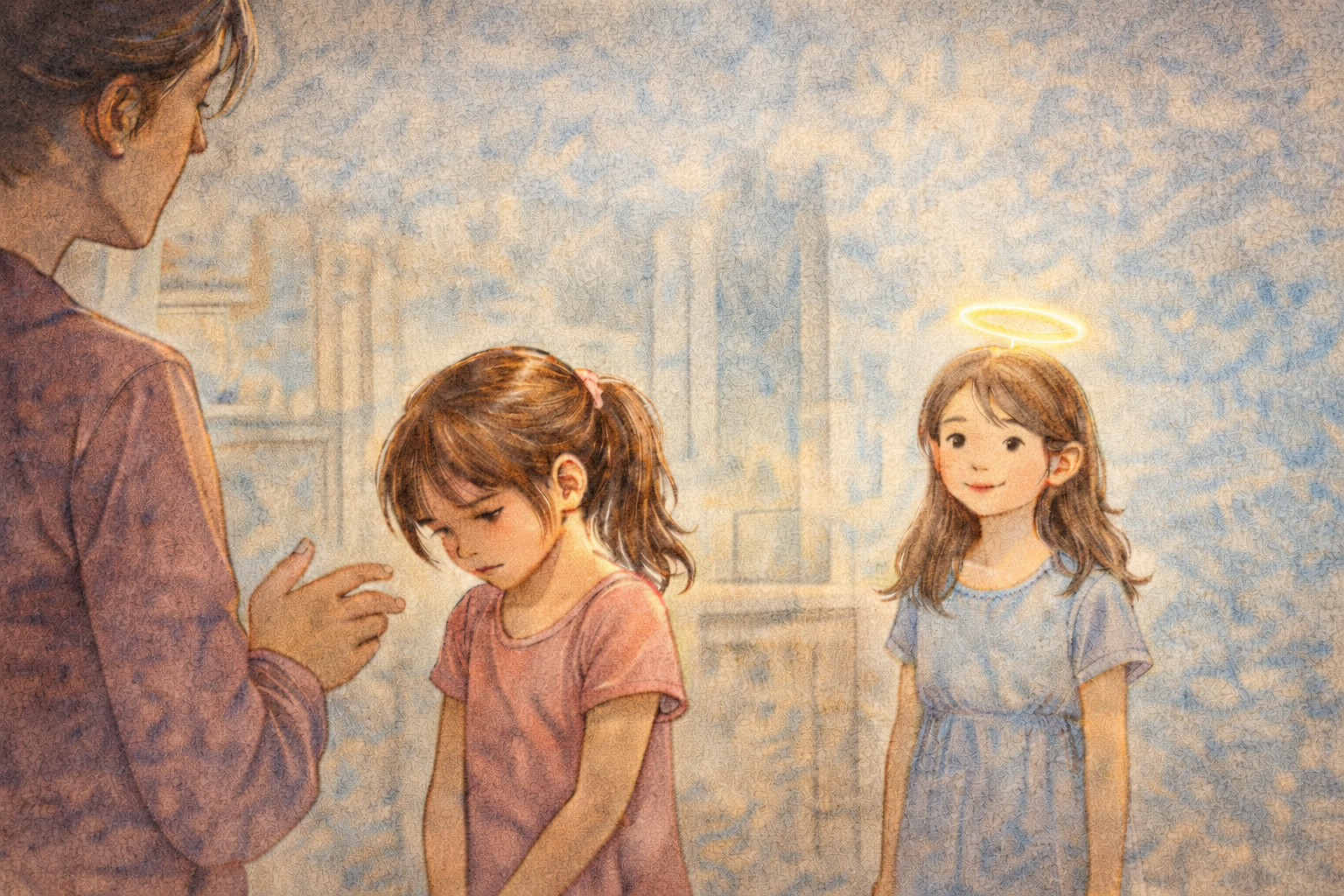
A teacher scolds you in front of the class.
An adult raises their voice while others are watching.
The moment may pass quickly for everyone else.
But for the girl standing there, the memory can stay.
Instead of learning “I made a mistake,” she may quietly decide:
Everyone saw something wrong with me.
2. Being Labeled
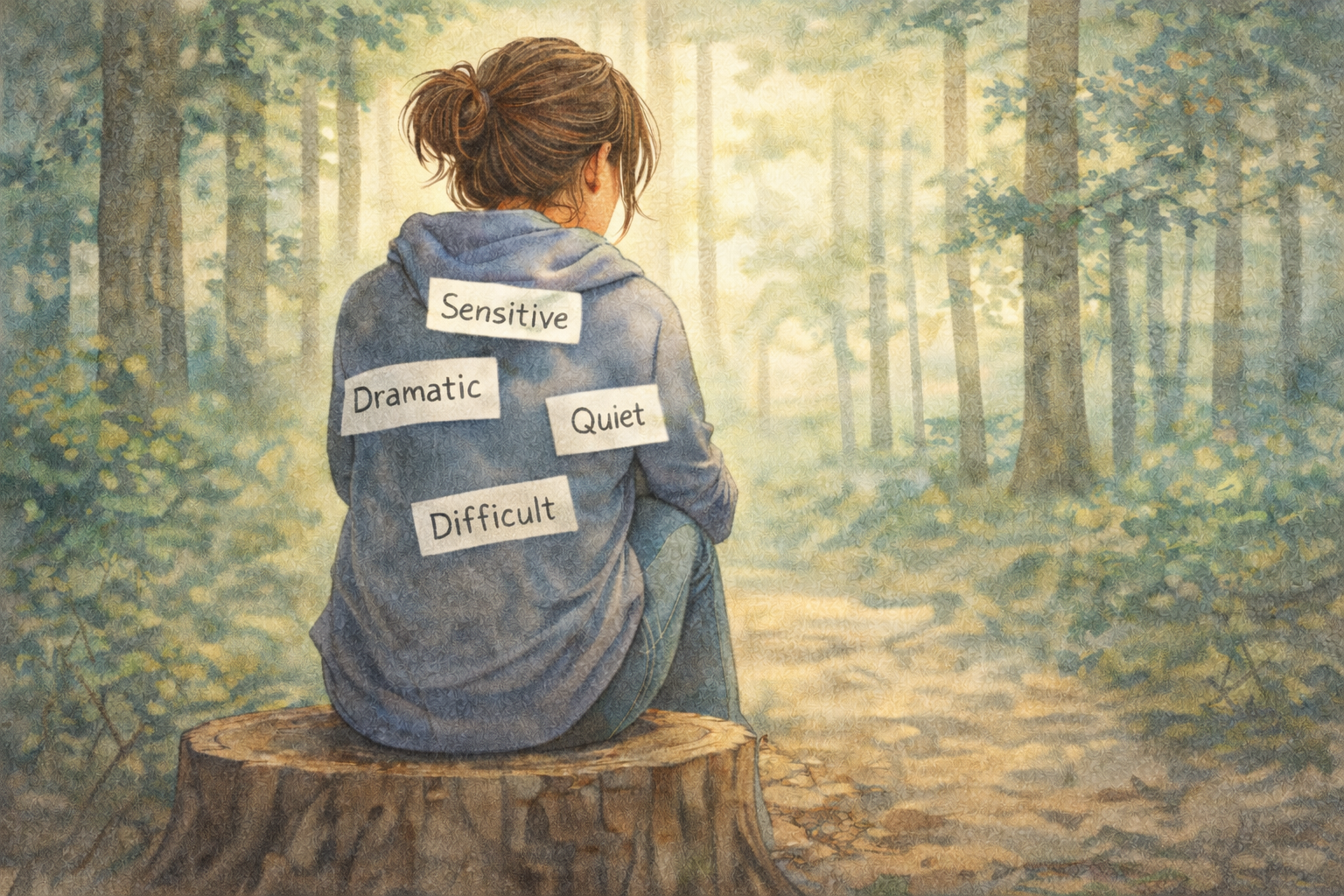
Sometimes a child hears the same description repeated again and again.
Maybe she’s called:
• the sensitive one
• the dramatic one
• the difficult one
• the quiet one
Over time those labels stop sounding like observations.
They begin to sound like identity.
3. Feeling Like a Disappointment
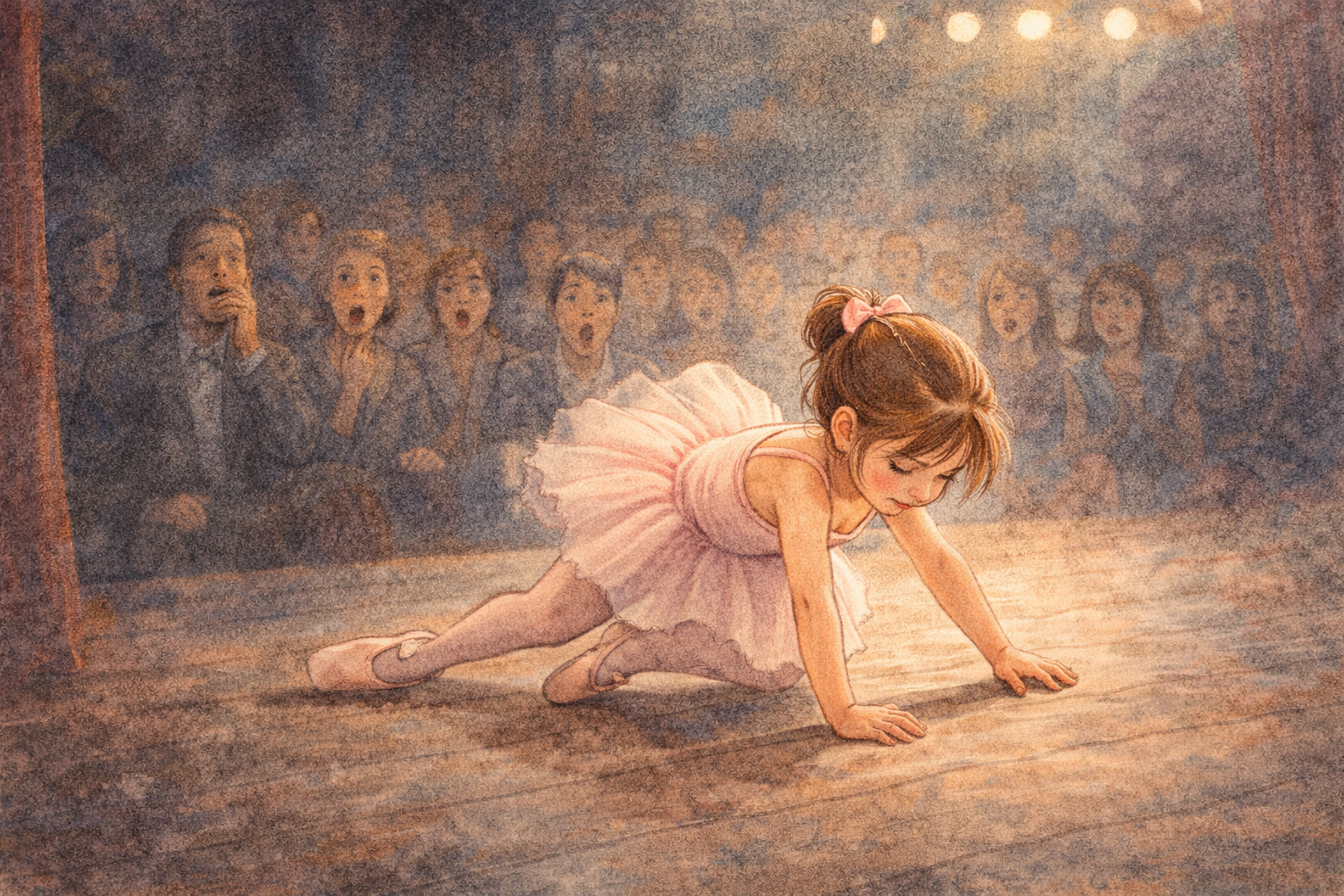
A girl works hard at something.
A test.
A performance.
A responsibility at home.
But the response she receives is frustration or disappointment.
Instead of learning how to improve, she may take away a heavier message:
I let people down.
4. Being Compared to Others
“You should be more like your sister.”
I hear stories like this from women all the time.
It’s amazing how a lifetime of pain can grow from a single moment like this — or from hearing the same message repeated again and again.
Words are a little like toothpaste.
Once they come out of the tube, they can’t be pushed back in.
5. Being Told Her Feelings Are Too Much
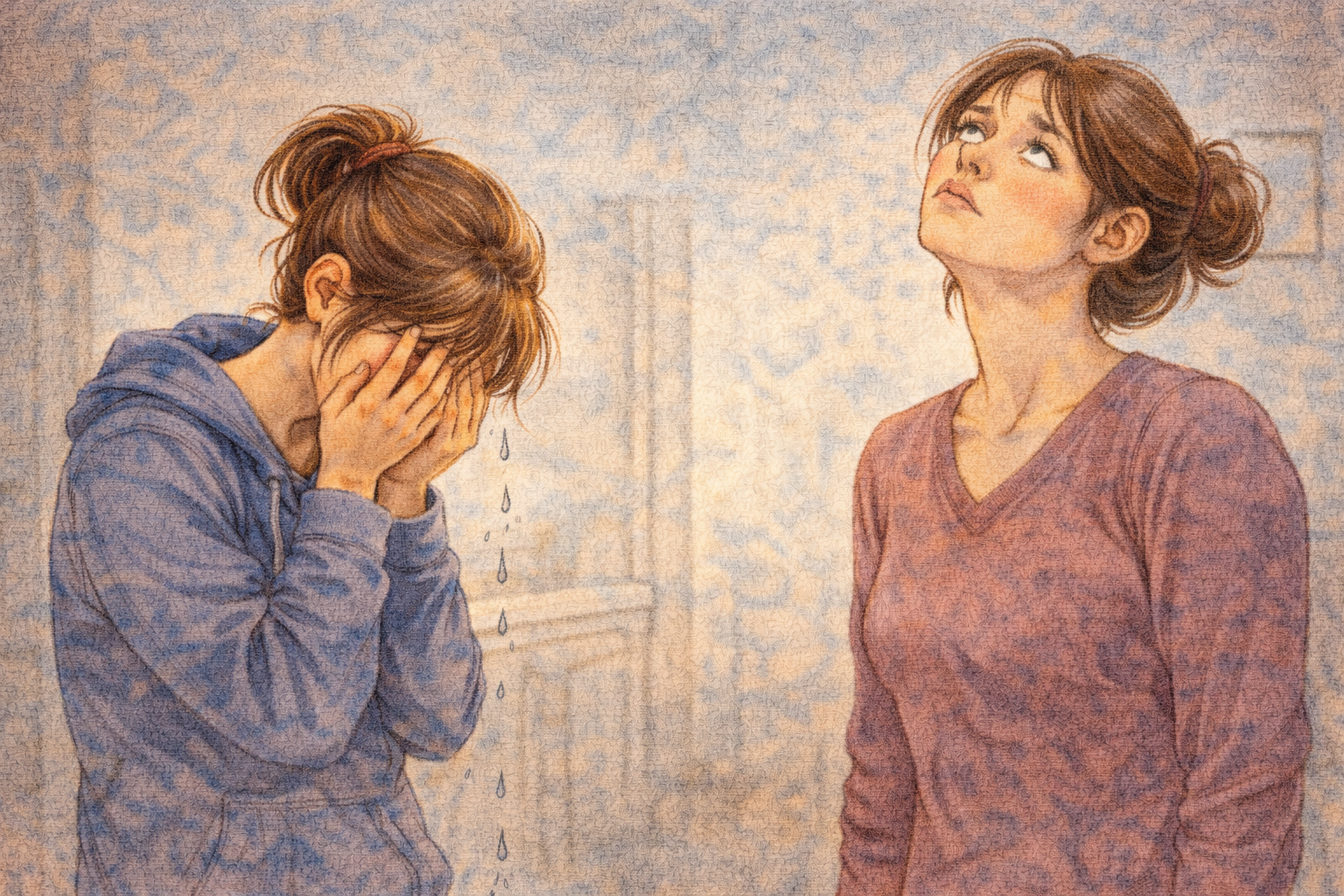
A girl cries when something hurts.
An adult responds with:
“Stop being so dramatic.”
“You’re overreacting.”
“That’s nothing to be upset about.”
Moments like this teach a quiet lesson.
My feelings are a problem.
And that belief can follow a woman far into adulthood.
Why These Memories Stay So Powerful
Many women notice something strange about shame memories.
They often come back at night.
When the house is quiet.
When the lights are out.
When the day is finally over.
A moment from childhood can suddenly appear as clear as if it happened yesterday.
Psychologists have a word for this. Rumination.
Rumination is when the mind keeps returning to the same painful memory, trying to make sense of it.
As the brain tries to explain the past, it can become stuck in that cycle.
The shame that started the memory and the rumination that keeps it alive can both be addressed in therapy.
For a better night’s rest, let’s see what we can do.