

When You’ve Been Everywhere Except Back to Yourself
In the 1976 song “I’ve Never Been to Me,” the singer Randy Crawford tells the story of a woman who has seen beautiful places, lived a full life, raised children, and carried stories that may never be told around the dinner table. On the surface, it sounds like a song about travel and regret. Underneath, it carries a much deeper ache: the ache of living a whole life and still feeling unfamiliar to yourself.
Many women recognize some version of that feeling. Not because their lives have been empty, but because their lives have been so full. Full of responsibility, caregiving, work, marriage, children, family, schedules, emotional labor, and the daily task of keeping things moving. Then the children grow up. The house settles. The schedule changes. The noise that once organized the day becomes softer, and questions that were easy to outrun begin to rise.
Did I choose this life, or did I learn to survive inside it? Did I miss parts of myself while I was taking care of everyone else? What would it look like to finally meet myself without apologizing?
Often, when people talk about this season, the advice turns quickly toward reinvention. Take the trip. Buy the hat. Start the hobby. Make the list. There is nothing wrong with any of those things, but they are not the same as healing. This is not just about reinvention. It is about return. It is about remembering who you were before everyone else’s needs became the loudest thing in the room. It is about repairing the places where survival taught you to make yourself smaller. And it is about reconnecting with the woman who has been there all along.
Return: This Is Not Reinvention

Reinvention can sound exciting from the outside. It suggests a fresh start, a clean page, and a better version of you waiting somewhere just beyond the next brave decision. But for many women, the deeper work is not becoming someone new. It is returning to someone familiar.
It is finding your way back to the self who had opinions before she learned to keep the peace. The self who had preferences before everyone else’s needs became more urgent. The self who had dreams before practicality, survival, marriage, motherhood, work, or disappointment taught her to set them aside. You are not broken. You may have simply become unfamiliar to yourself after years of living around everyone else’s needs.
That kind of disconnection rarely happens all at once. It can happen slowly, one “I’m fine” at a time, one “whatever you want” at a time, one season of putting yourself last because someone else needed something more. Being needed can feel meaningful. Being useful can feel safe. Being the strong one can become an identity all by itself. But being needed is not the same as being known.
Mother, wife, worker, daughter, helper, friend, and caregiver can all be meaningful parts of life. They can hold love, purpose, and beauty. They can also become places to hide when you do not know where you begin and end. When those responsibilities shift, the hidden places can start to speak.
Remember: The Woman Under the Roles

Many women expect this season to feel lighter. After years of doing, carrying, planning, and keeping track of everyone else, they imagine rest will come naturally. Then the space feels strange, and that can be confusing. You may love your children deeply and still grieve when they no longer need you in the same way. You may enjoy having more freedom and still feel unsure what to do with it. You may have waited years for life to settle down and then feel unsettled when it finally does.
That does not make you ungrateful. It may mean you are noticing yourself.
For years, life may have handed you the next assignment before you had time to ask what you wanted. Pack the lunch. Make the call. Go to work. Pay the bill. Remember the appointment. Hold the family together. Keep the peace. Be the one who knows where everything is. Then the assignments change, and underneath that change, honest questions begin to rise. What do I actually like? What parts of me went quiet so everyone else could stay comfortable? Did I become dependable because I wanted to, or because I had to? Am I lonely, or am I unfamiliar with myself?
These questions can feel uncomfortable, but they are not bad questions. They may be the beginning of remembering. Remembering does not mean going backward and pretending you are the woman you were at twenty-five. It means becoming curious about the parts of you that were set aside, rushed past, silenced, or never fully allowed to develop. Sometimes the woman beneath all the expectations is not gone. She is waiting for enough safety to come forward.
Repair: When Awareness Turns Into Self-Blame
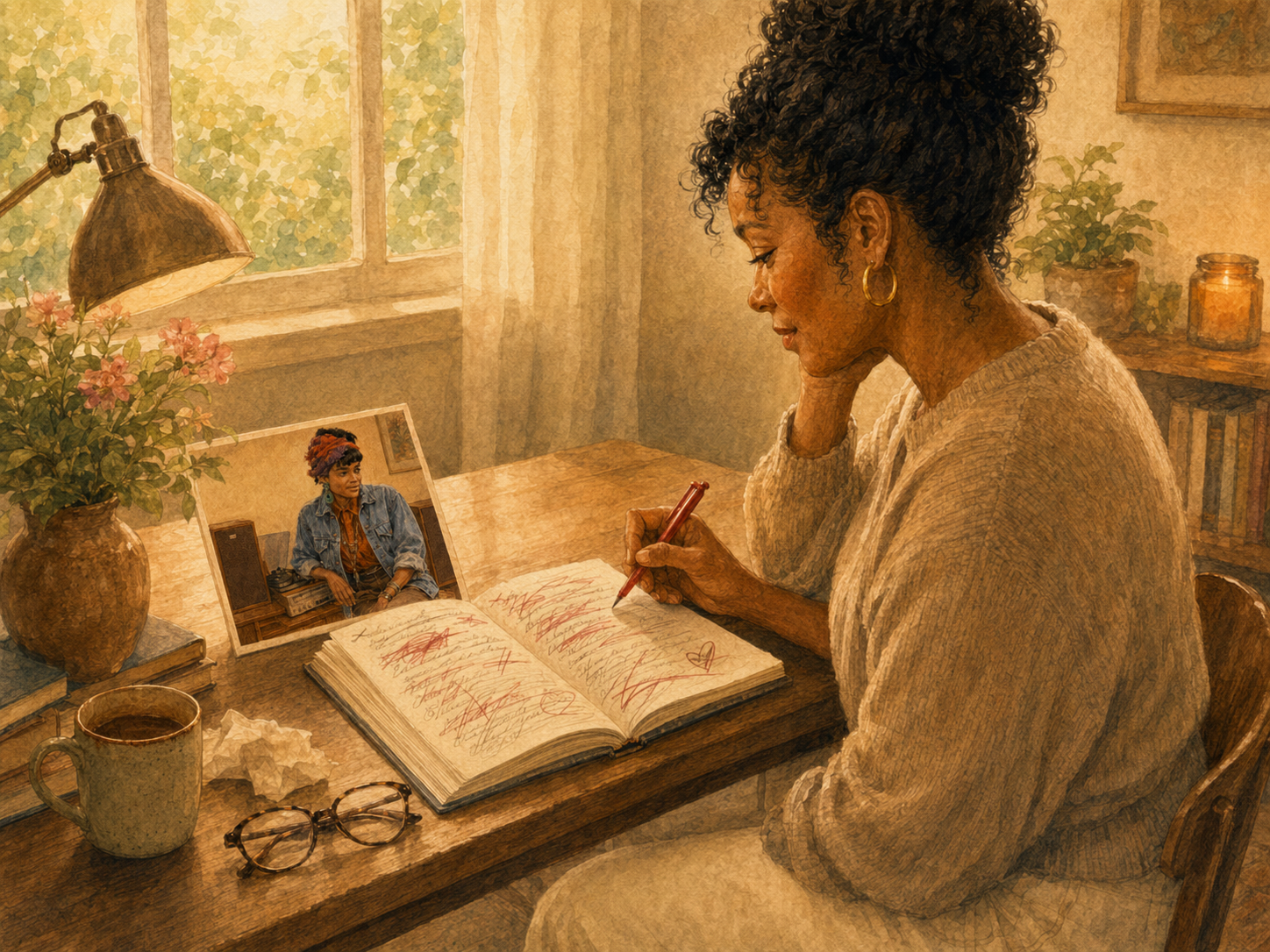
In a recent blog, I wrote about Wisdom Wounds. I do not want to rehash that entire idea here, but this season can bring those wounds to the surface. A Wisdom Wound can show up when you learn something new about yourself and feel angry at the version of you who did not know it sooner.
Why did I stay so long? Why did I say yes when I meant no? Why did I let myself disappear? Why did I think this was normal? Why did I not choose myself? Those questions can carry grief, but they can also carry blame. And that blame often lands on the wrong person.
The younger version of you does not deserve punishment for surviving with the tools she had at the time. She may not have known she had a choice. She may not have had support. She may not have had language for what she felt. She may have learned that being agreeable was safer than being honest. She may have learned that needing less made life easier for everyone else. That does not mean the pain was not real. It means the self-blame may be misplaced.
Repair begins when you can look at the younger versions of yourself with more compassion and less accusation. Not to excuse every choice, avoid accountability, or pretend nothing happened, but to understand that many of your patterns were built for protection before they became problems. Some healing asks us to look at the stories that still carry more weight than they should. Not to blame the past, and not to live there, but to help the body and mind understand that what happened then does not have to keep deciding who you are now.
Repair rarely happens in a rush. It takes safety, patience, and room. It is hard to come back to yourself while attacking the self who helped you get this far.
Reconnect: Meeting Yourself Without Apologizing

Reconnection does not have to be dramatic. It may not begin with a passport, a suitcase, or a brand-new life plan. It may begin quietly, with telling the truth: I am sad. I am tired. I do not know what I want yet. I love my family, and I also lost parts of myself while caring for them. I am grateful, and I am grieving. I want to know who I am now.
Reconnection may look like noticing what your body feels before explaining it away. It may look like asking yourself what you actually want instead of defaulting to what everyone else prefers. It may look like allowing yourself to rest without earning it first. It may look like setting one honest boundary. It may look like admitting that this season has stirred up more than you expected.
Most of all, reconnection means you no longer have to apologize for being a whole person. You are allowed to have needs. You are allowed to have preferences. You are allowed to grieve what was missed. You are allowed to enjoy what remains. You are allowed to be more than the roles you have played.
This season is not the end of who you are. It may be the beginning of hearing yourself more clearly. It may be the first time in years that your own life has enough room to speak. And if what rises in that space feels bigger than you expected, you do not have to sort through it alone.
When You Need More Room
Some stories need more room than a single hour can hold. When you are trying to understand years of responsibility, survival patterns, grief, identity, and self-abandonment, it can take time to slow down enough to see what is really there. It can take time to notice what your body has carried, what your younger self believed, what your present self needs, and what parts of you are ready to be heard.
That is part of why Personal Healing Retreats can be meaningful. They create space for deeper, focused therapeutic work when weekly therapy feels helpful but too small for what is asking to be explored.
This is not about becoming someone brand new. It is about returning, remembering, repairing, and reconnecting. It is about coming back to the woman who has been there all along.
LEARN MORE